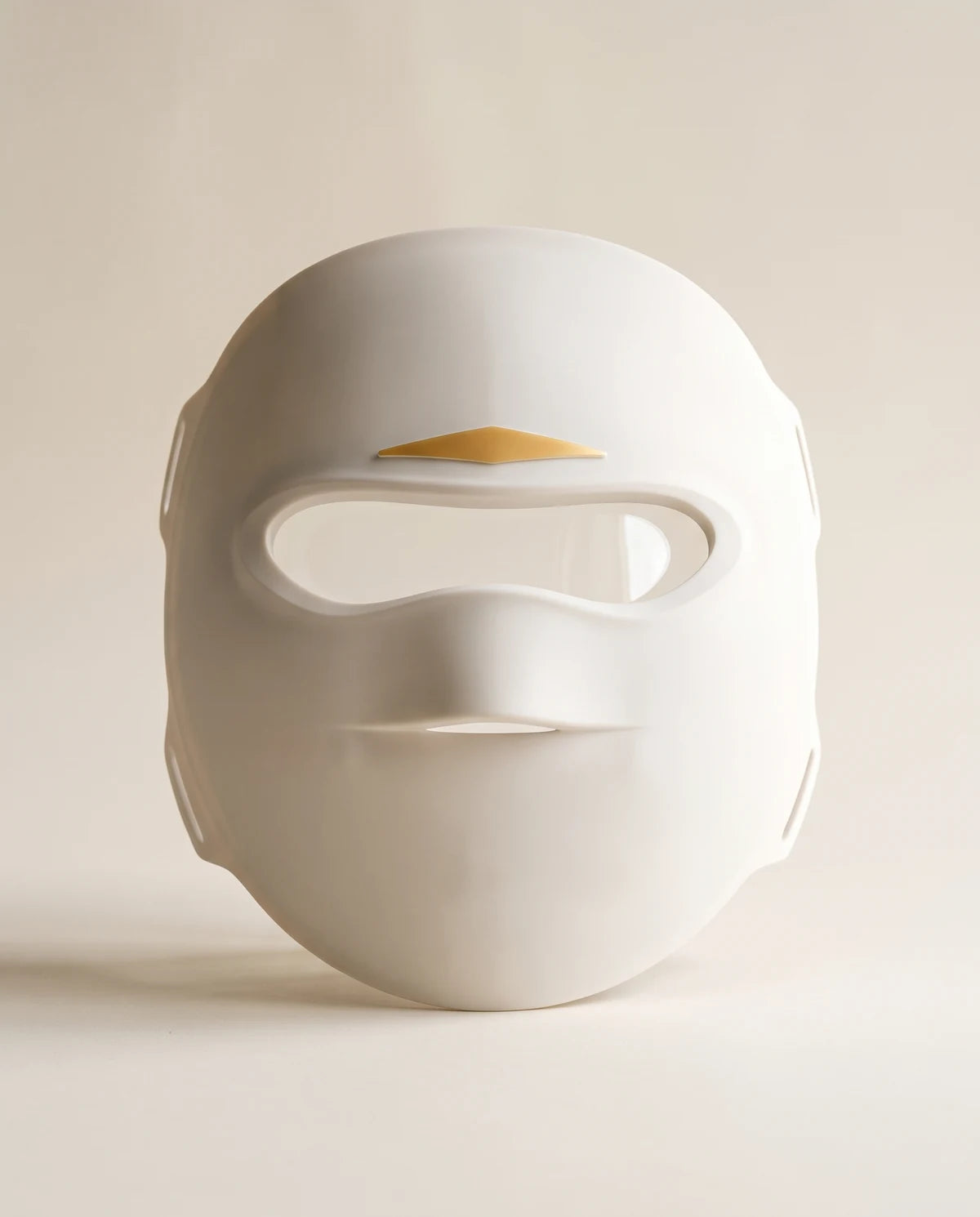


What research has found about red light and skin
What studies and dermatologists say about red and near-infrared light, in plain English, with every source linked.
Read the article
What dermatologists, eye doctors and the research say about using an LED mask at home, with every source linked.
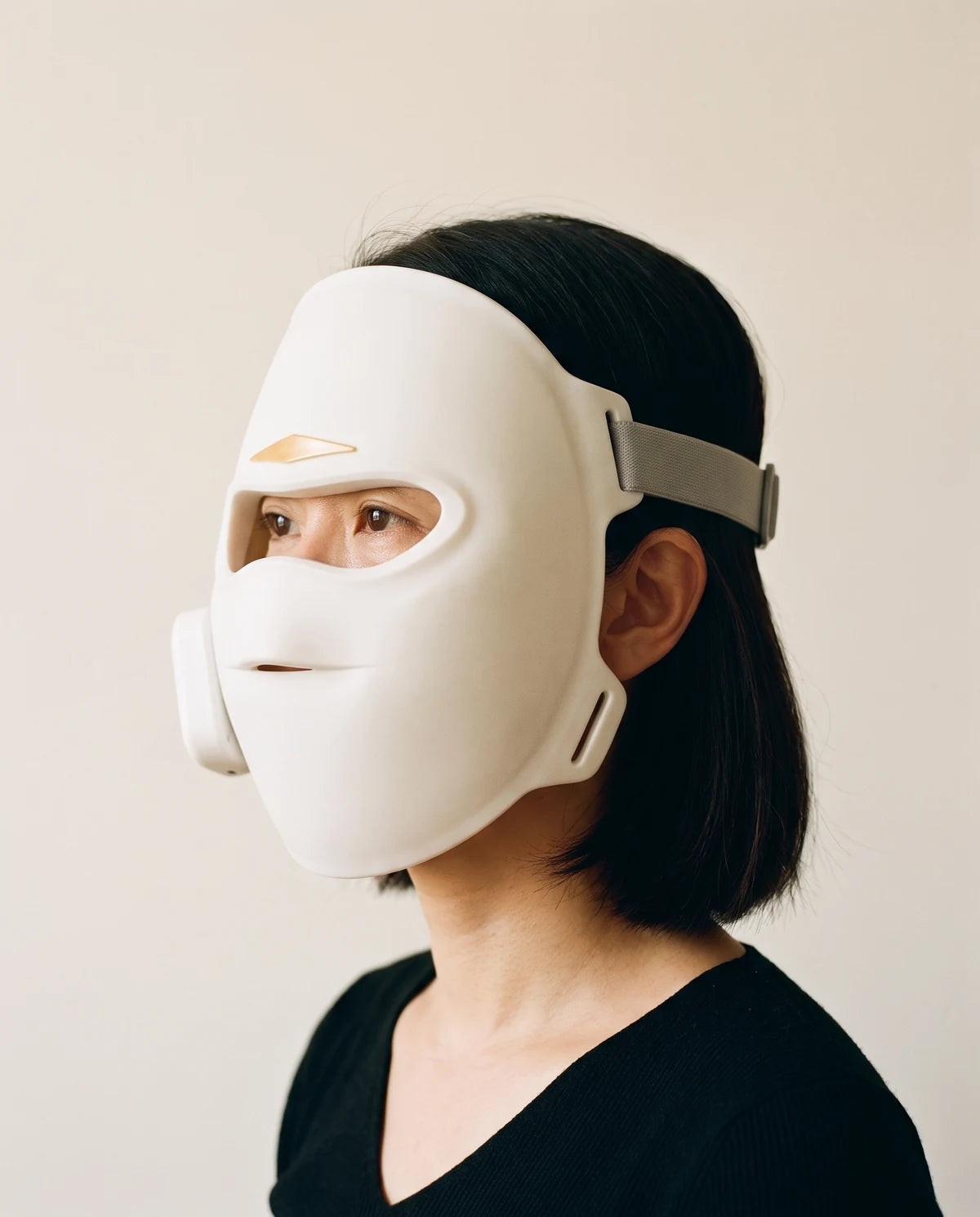
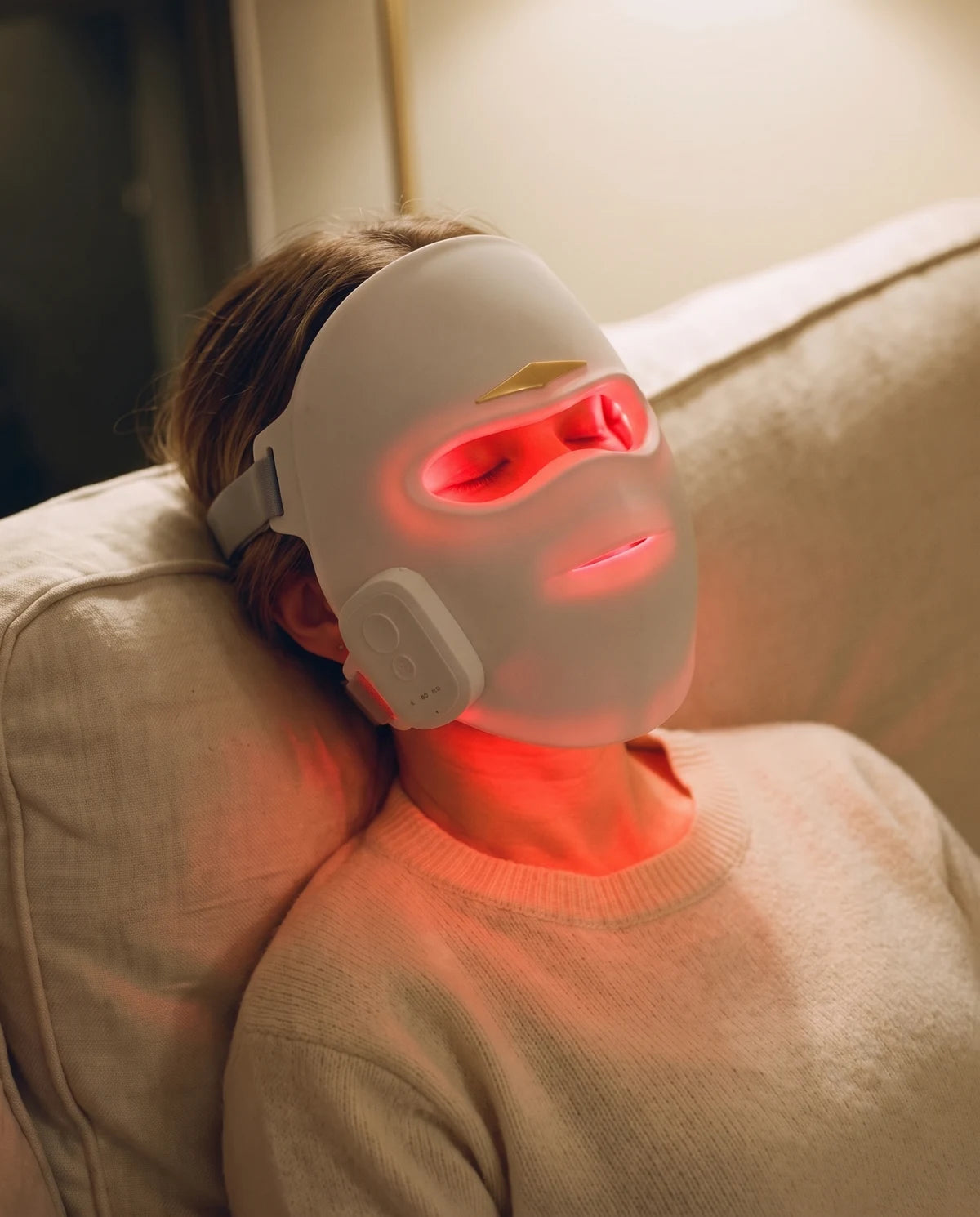
Used as directed, LED masks made for home are considered safe in the short term. Dermatologists describe the usual side effects as mild: some people get brief redness or irritated skin.1 What nobody knows yet is the long-term picture, because the studies so far are short.12 A few people should check with a doctor before they start, and everyone should look after their eyes.
Of the colours in an LED mask, blue is the one eye doctors watch most closely. In 2020 eye doctors in Korea reported a woman whose retina was damaged after a month of blue light sessions with her eyes open, and they advised keeping the eyes covered during blue light use.4 In 2019 Neutrogena recalled its acne light mask as a precaution, saying the risk applied to a small group of people with certain eye conditions or taking medicines that make the eyes sensitive to light.5
LED masks give off visible and near-infrared light, not UV. Dermatologists add one caution: darker skin can be more sensitive to visible light, and dark spots it causes can last longer.13 If that is you, start with shorter sessions and watch how your skin responds. Research in darker skin is still thin.3
Talk to your doctor or dermatologist before you start if any of these is you:
Sorisse makes cosmetic devices, not treatments for any medical condition. This page is general information, not medical advice.
Journal
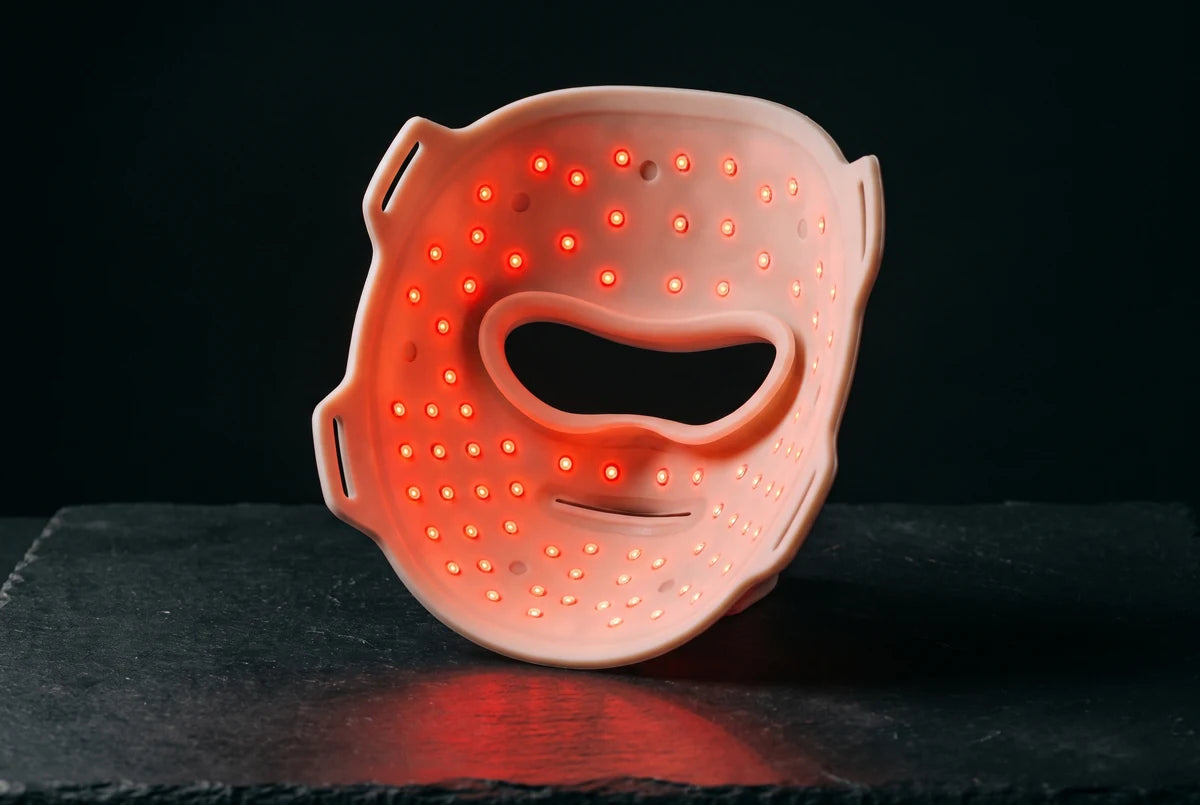
What studies and dermatologists say about red and near-infrared light, in plain English, with every source linked.
Read the article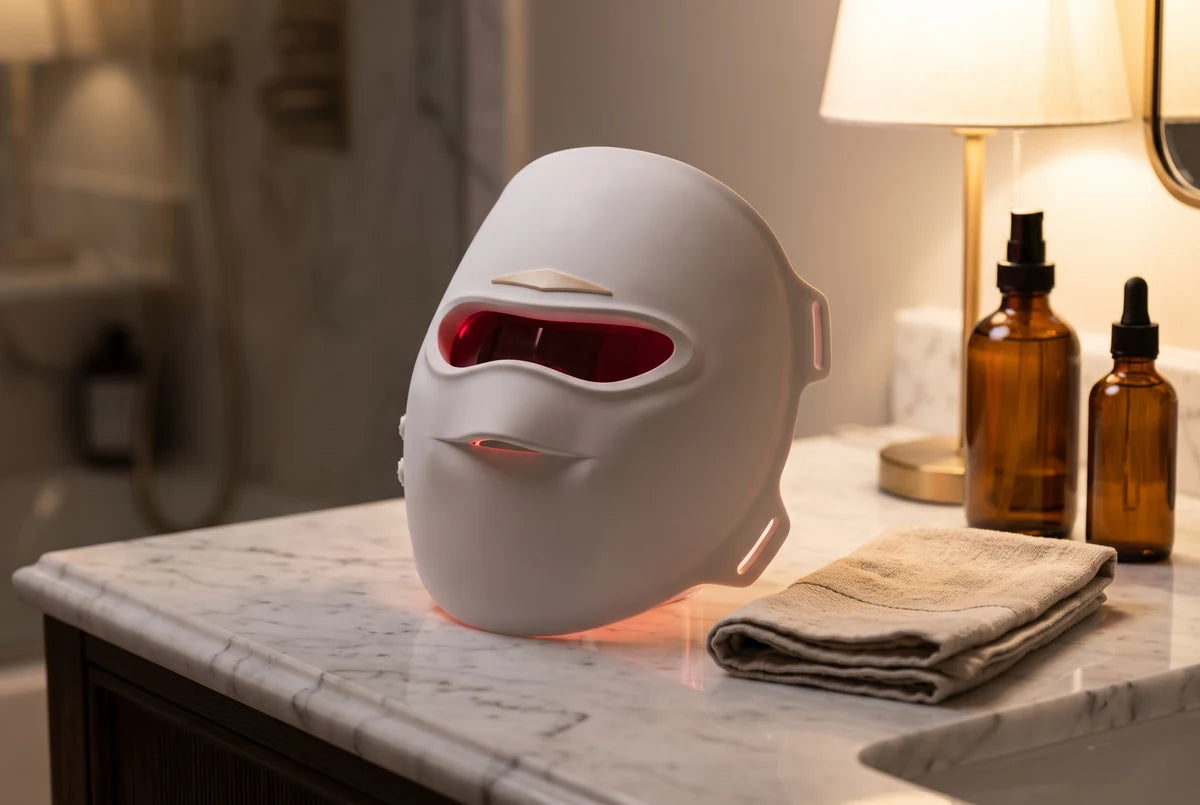
We priced LED sessions at two Australian clinics against one mask you keep. Here are the numbers, and what you give up either way.
Read the article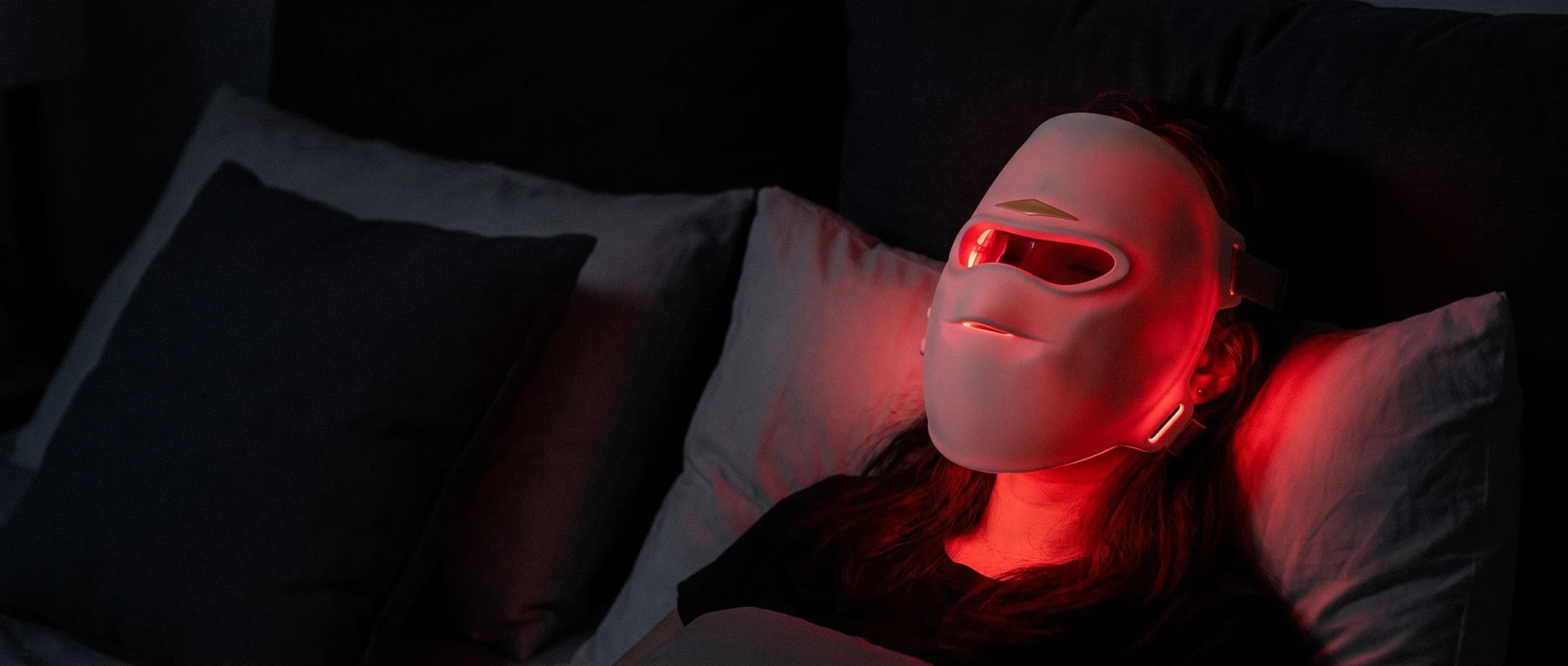
How to fit an LED session into your evenings, step by step, and how to keep it going long enough to judge it fairly.
Read the articleAustralia-wide, with the tracking link by email.
Not for you? Email us for a full refund.
Or four years of cover for A$39.
Cards, Apple Pay, Google Pay and Shop Pay.
© 2026 Sorisse. An Australian brand.
Join the Sorisse list
On any first order over A$300, plus a first look at new products and the journal.
One code per customer. Unsubscribe any time.
You are on the list
Use it at checkout on any first order over A$300. It works once per customer.
Shop the Sorisse Mask