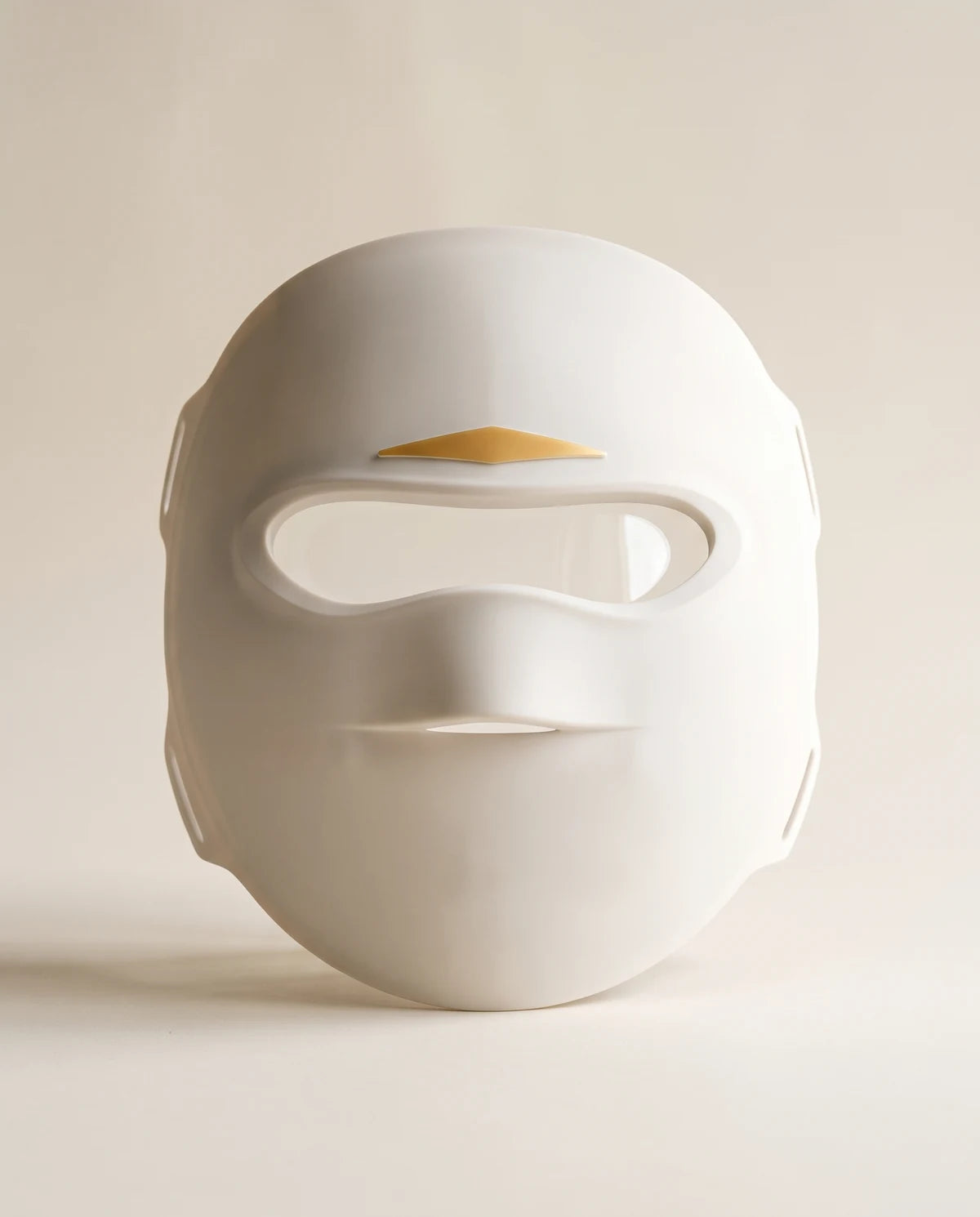


LED at a clinic or at home: what it really costs
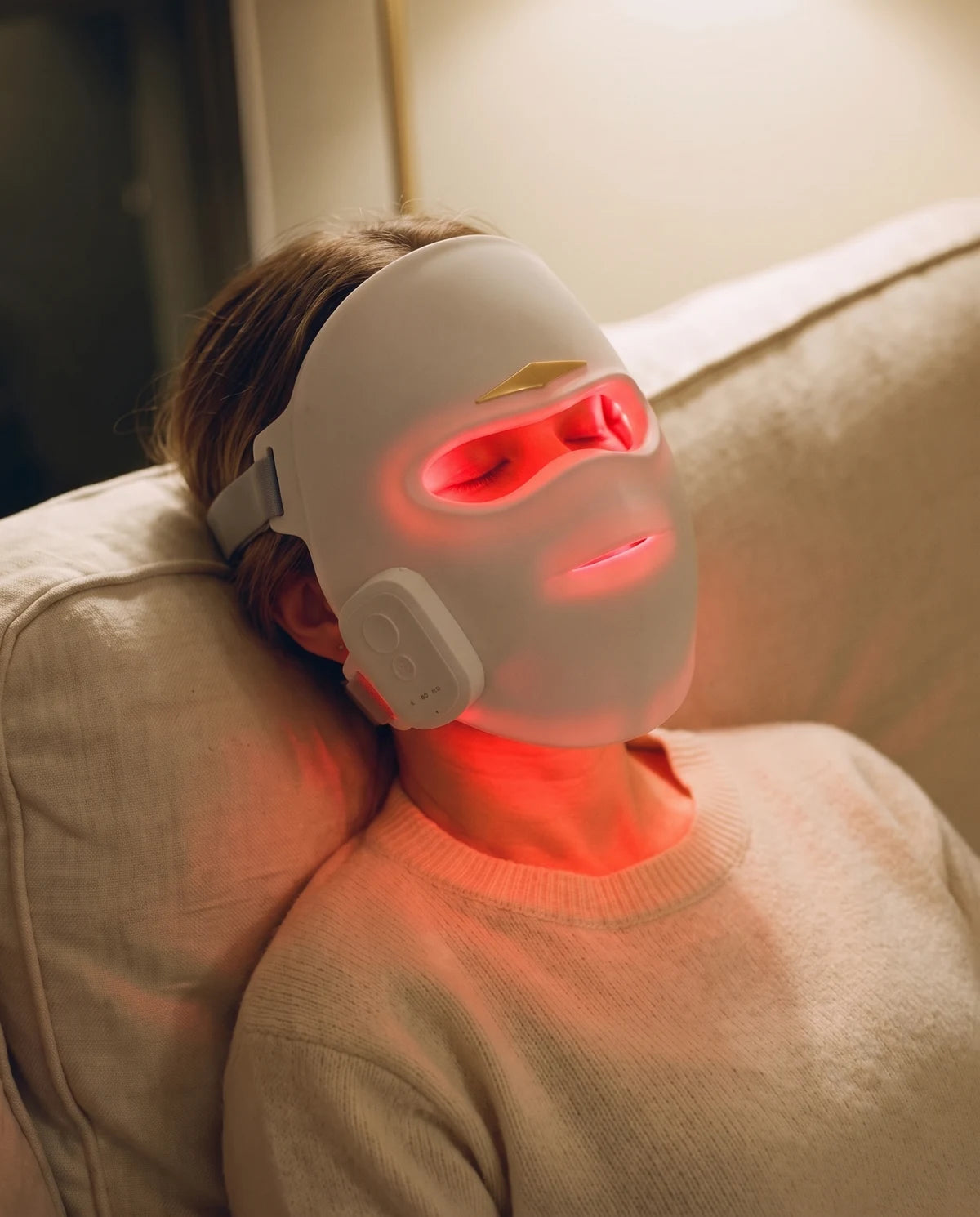
We priced LED sessions at two Australian clinics against one mask you keep. Here are the numbers, and what you give up either way.
Read the article
What studies and dermatologists say about red and near-infrared light, in plain English, with every source linked.
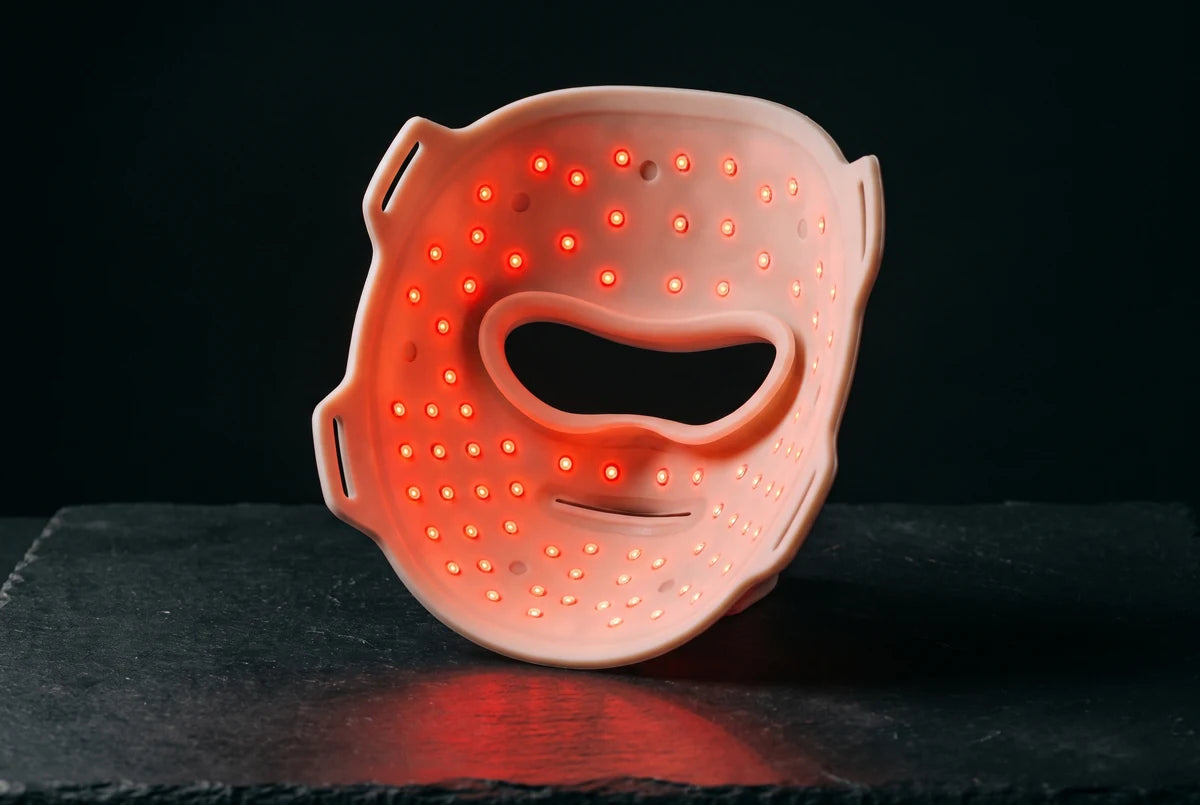
Red and near-infrared light have been studied on skin for decades. In controlled trials, people treated regularly with these lights saw smoother skin and better skin feel than people who went untreated. Dermatologists describe the results as subtle to noticeable, and they agree on two things: it takes regular use over weeks, and devices made for home are gentler than the machines in a clinic.3
Light at these colours is absorbed by parts of the cell called mitochondria, which make the energy cells run on. The idea is that with more energy, skin cells such as fibroblasts, the cells that make collagen, can work more efficiently.1 Near-infrared sits just past the red end of what your eyes can see, so you feel the session more than you see it.
In one of the larger controlled trials, researchers treated 136 volunteers twice a week for 30 sessions with red light, or a broader red and near-infrared light, and compared them with an untreated group. The treated groups reported better skin complexion and skin feel. Measurements showed smoother skin and a rise in collagen density in the skin, and blinded reviewers saw fewer visible wrinkles in their photos. The untreated group did not see the same changes.2
That is encouraging, but it is not the whole picture. Many studies on light and skin are small, and researchers are still working out the best dose for each use.1, 4
The American Academy of Dermatology says red light devices can give subtle to noticeable results for fine lines, wrinkles and rough skin. It stresses that this is not a one-off treatment, and that devices used in a dermatologist's office are more powerful than ones made for home.3 Harvard Health adds that home devices need to be used several times a week, for four to six months, to be effective.4
The research points one way: steady sessions over weeks, not one big session.
This article reports what published research and dermatology bodies have said about red and near-infrared light in general. It is not a claim about what the Sorisse Mask will do for your skin. Sorisse makes cosmetic devices, not treatments for any medical condition.
Journal
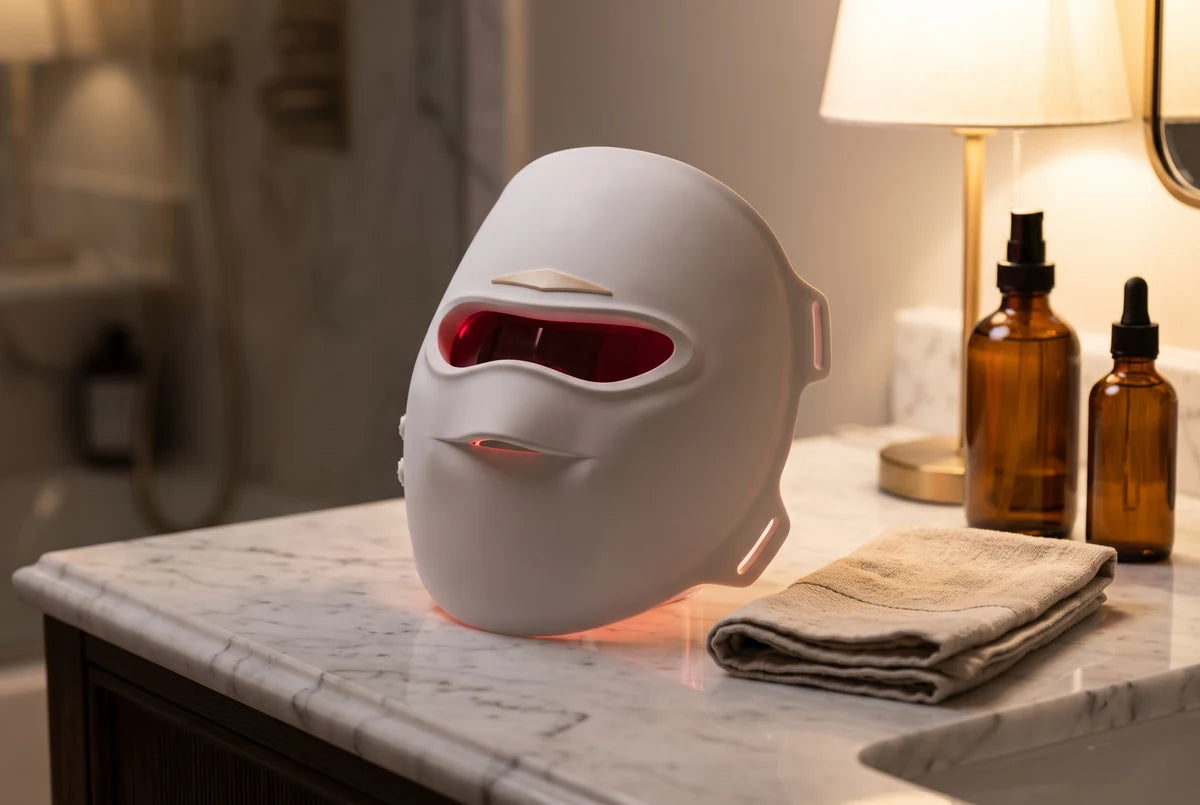
We priced LED sessions at two Australian clinics against one mask you keep. Here are the numbers, and what you give up either way.
Read the article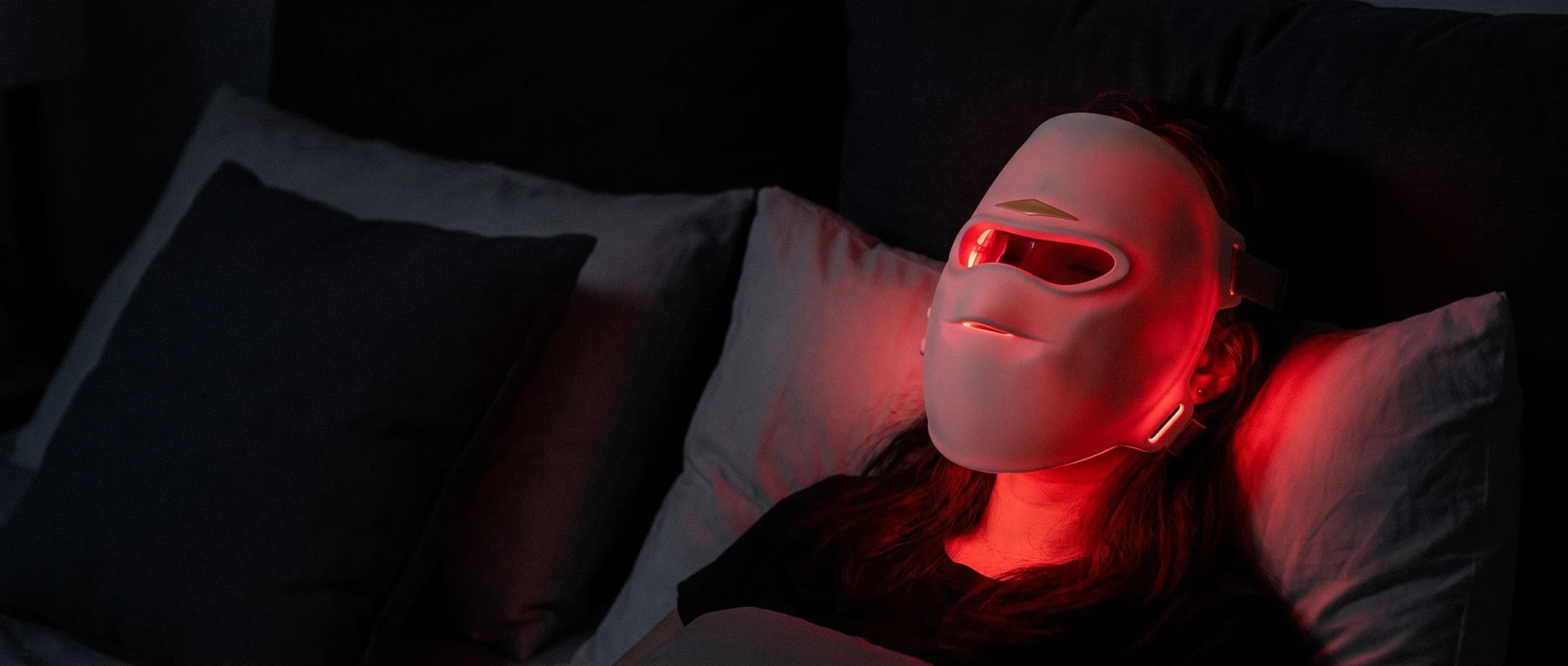
How to fit an LED session into your evenings, step by step, and how to keep it going long enough to judge it fairly.
Read the article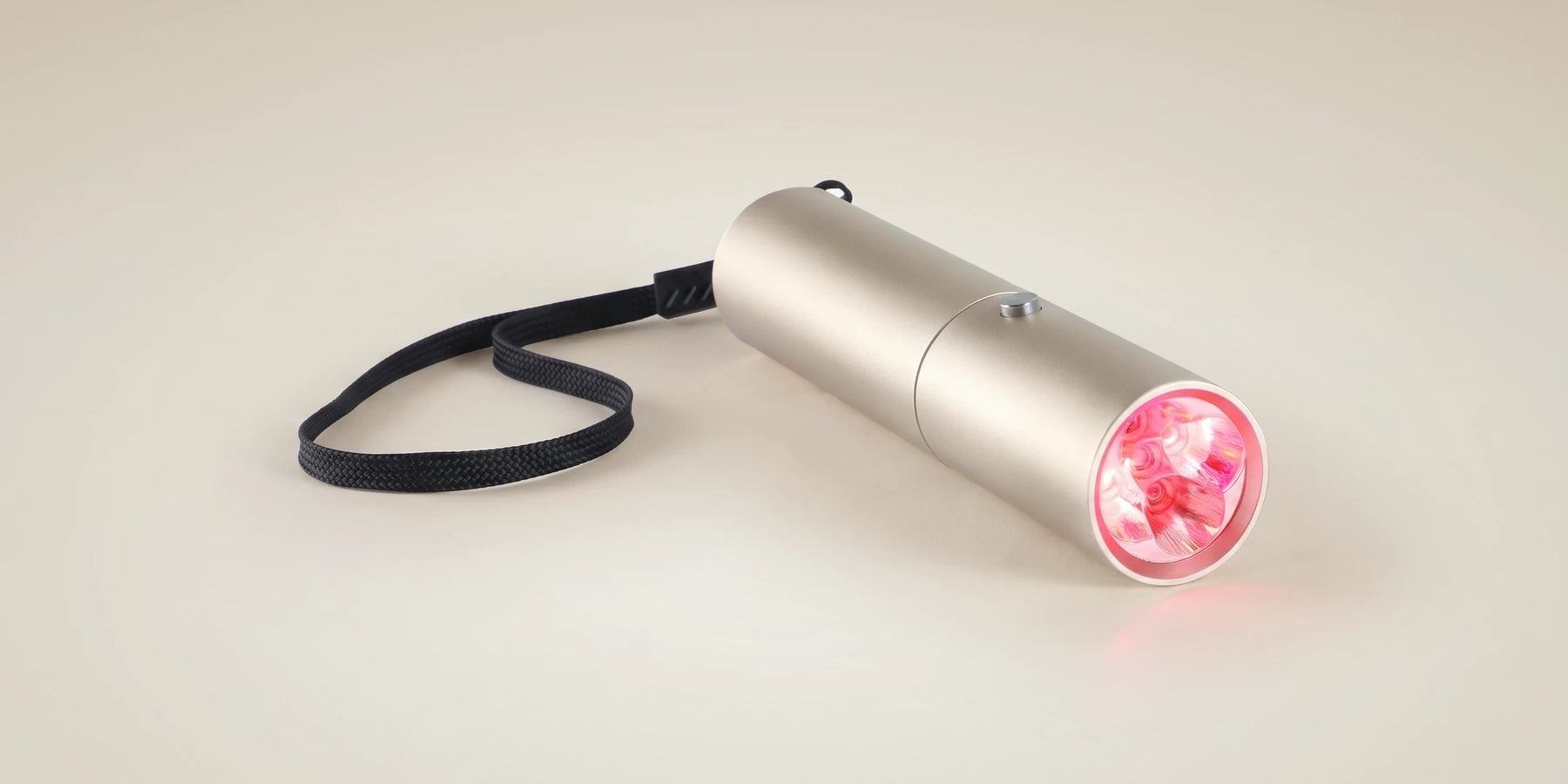
What a red light wand is for, how it differs from a mask, and how to use one for a few minutes on the areas that matter to you.
Read the articleAustralia-wide, with the tracking link by email.
Not for you? Email us for a full refund.
Or four years of cover for A$39.
Cards, Apple Pay, Google Pay and Shop Pay.
© 2026 Sorisse. An Australian brand.
Join the Sorisse list
On any first order over A$300, plus a first look at new products and the journal.
One code per customer. Unsubscribe any time.
You are on the list
Use it at checkout on any first order over A$300. It works once per customer.
Shop the Sorisse Mask